
Land use and building permits
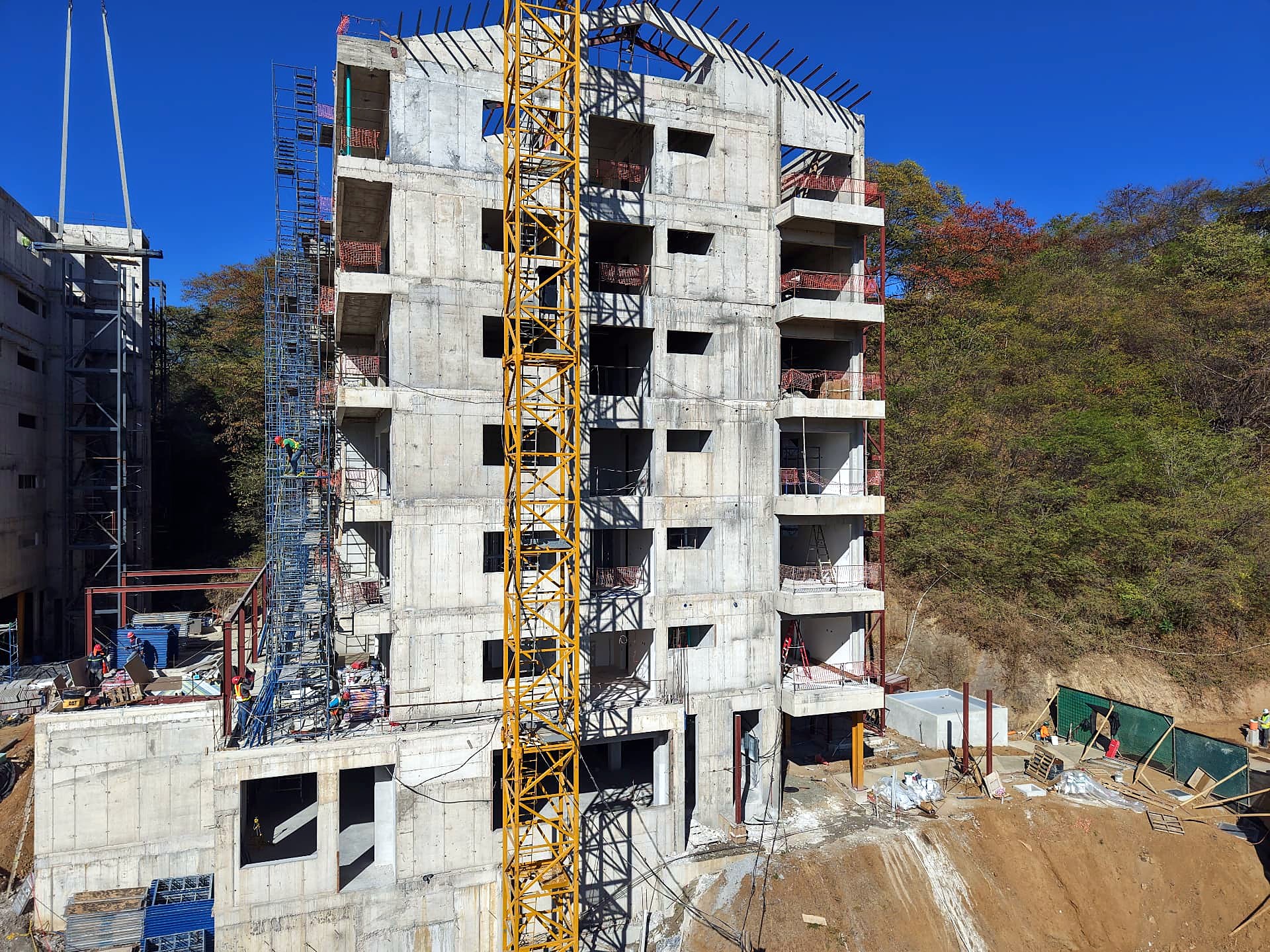
A Certificado de uso de suelo confirms that a specific land use complies with applicable planning regulations. It is neither a building permit nor a guarantee that any proposed scheme can be delivered. An investor must align the intended development, utilities, access, environmental requirements, and final municipal approvals.
Begin with a specific scheme
"I want to build" is too vague for due diligence. Clearly define whether it is a single-family house, multiple apartments, tourist accommodation, or commercial premises, along with estimated capacity and scale. The intended use alters requirements for water, traffic, parking, and permitting.
Ask the design engineer or architect for the buildable area, not merely the gross plot size. Setbacks, topography, access, easements, and infrastructure corridors can reduce the developable footprint. A conceptual render is not proof of development capacity.
Who issues the uso de suelo
INVU clarifies that zoning certificates and building permits fall under local municipal jurisdiction. INVU itself does not issue this municipal certificate. One must determine the applicable regulatory plan and relevant national rules within their specific scope.
Demand a document relating to the correct plot and intended purpose. Verify conditions, issuance date, and any additional requirements. For an existing property, the compliance of the built structure must also be assessed, not merely the viability of new construction.
Permitting stages address distinct issues
| Document or assessment | Subject addressed |
|---|---|
| Uso de suelo | Permissibility of a specific land use |
| Water and wastewater | Technical documentation and utility network capacity for the scheme |
| Access and setbacks | Vehicular access and associated constraints |
| Environmental review | Requirements based on project nature and location |
| Design documentation and CFIA/APC | Professional plans and associated submissions |
| Municipal building permit | Authorisation to execute approved works |
SETENA: avoid a one-size-fits-all approach
The environmental regime is governed by the nature, scale, and location of the project, as well as applicable regulations. Official SETENA guidelines refer, among others, to Decree No. 43898 and D1 or D1-C forms. One cannot mechanically assume that every small-scale development requires the same form or that most builds undergo an identical assessment.
Have the classification and any exemptions determined in writing by a qualified professional in line with current rules. Environmental clearance is not in itself a municipal building permit. Likewise, registering plans with CFIA does not automatically confirm all other statutory approvals.
The investment budget must account for time and dependencies
Permitting delays alter holding costs, financing charges, and the date of first rental income. Create a critical path schedule and assign a responsible party, required document, and deadline to each dependency. Indicative standard timeframes offer no guarantee of delivery for a specific project.
For developer offerings, request the reference numbers and scope of valid permits. Distinguish between an approved first phase and planned future extensions. A swimming pool, access road, or infrastructure shown on a render might not form part of the currently consented works.
Contractual protections for the purchaser
- Specific intended use and relevant project specifications.
- Obligation to deliver designated permitting documentation.
- Conditions precedent for due diligence and independent professional inspections.
- Allocation of costs for infrastructure alterations and design modifications.
- Remedies upon failure of conditions, deposit return, and escrow release.
When to proceed and when to pivot
If a condition remains unresolved, evaluate the remediation cost and the risk of unviability. The outcome may necessitate scaling down the build, altering the operational model, or aborting the purchase. A vendor's generic assurances regarding development potential should never justify paying for unproven future value.
Sources and materials
We separate official sources from professional and commercial commentary. Checking sources is not an individual legal review or confirmation of every current administrative procedure.
- INVU – Technical Q&A ↗
Official source · Costa Rica · Checked 18 October 2026
Municipal jurisdiction, planning regulations, and differentiation of procedures.
- CFIA – APC documentation requirements ↗
Official source · Costa Rica · Checked 18 October 2026
Water, wastewater, and related documentation based on project scope.
- SETENA – D1 and environmental procedures ↗
Official source · Costa Rica · Checked 18 October 2026
Classification and applicable exemptions must be determined by a professional; does not substitute for a building licence.
General information only, not legal or tax advice. Consult a Costa Rican lawyer before deciding.