
Water and utilities: the most underestimated item
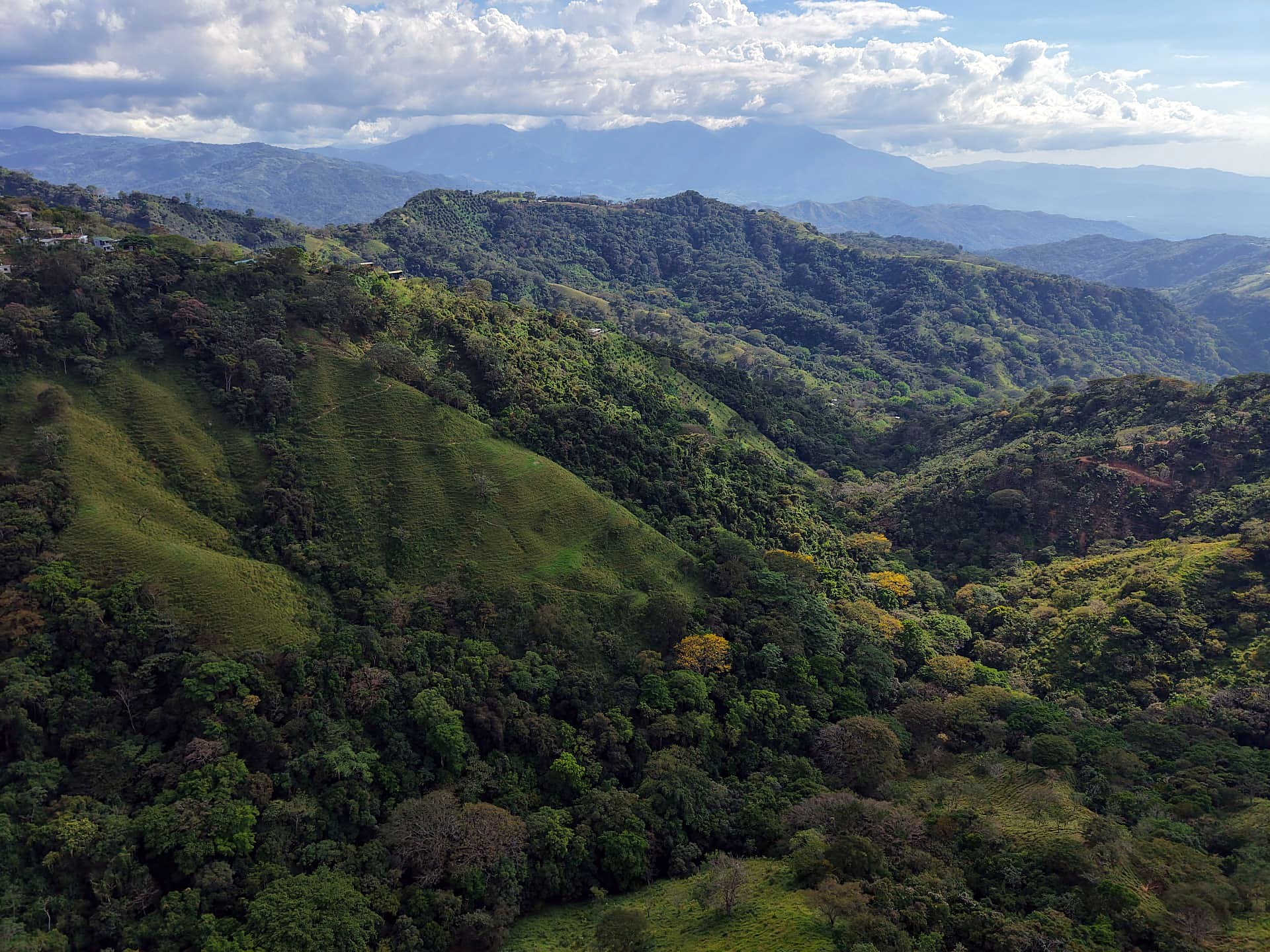
The availability of water, electricity, and wastewater management must be verified for the specific property and its intended use. A pipeline at the boundary, a neighbouring house, or a private well do not in themselves confirm authorisation and capacity for a new connection. For a development investment, utilities are a prerequisite for the land's usability, not a minor technical detail.
What water availability entails
Distinguish between the existence of a source, the legal entitlement to use it, supply capacity, and actual connection. Written confirmation must correspond to the specific plot and the scope of the project. A single connection for an existing house may not cover new apartments, a swimming pool, and subsequent development phases.
It also matters who the authorised provider is. This may be AyA, a municipal utility, or the relevant ASADA. For any other source, an independent assessment of its legal status, potable quality, and technical viability is required. A developer's general guarantee is no substitute for this due diligence.
How to handle written confirmation
CFIA specifies water availability and wastewater solutions in its permitting documentation. Nicoya likewise requires proof of water supply within building permit submissions. Instruct your project designer to identify which documents are required for your specific project.
- Identification of the plot and project for which the endorsement was issued.
- The issuing authorised entity and the extent of confirmed capacity.
- Validity period and any technical or payment conditions.
- Who will install the connection, within what timeframe, and at what cost.
- How compliance with conditions will be demonstrated prior to commencement or handover.
A well is not a universal fallback solution
An existing borehole does not prove valid extraction rights, water quality, or sufficient yield. A lawyer and technical specialist must review the concession permits, extraction regime, laboratory test results, and operating costs. You also need to ascertain who owns the water source and who is responsible for its maintenance.
If the commercial proposal assumes future permitting, do not value the well as a completed, operational source. Record this dependency in the due diligence and contract. For an intended rental property, a back-up system during outages may be essential, yet a storage tank alone does not guarantee continuous legal supply.
Wastewater is the other half of the equation
A potable water connection does not resolve wastewater. Ascertain whether the property relies on mains sewerage, a shared treatment plant, or an individual system, and who is responsible for capacity and maintenance. In a redevelopment, the existing setup may be inadequate for a higher occupant load.
Within a shared community or development, request the operating budget and plant documentation. For an individual house, commission a technical survey and inspect the relevant permits. Retrofitting can entail significant capital expenditure, reduce usable plot area, or force redesigns of the planned scheme.
Electricity, internet, and access
Verify capacity and connection terms with the distributor, not merely the proximity of power lines. Air conditioning, pumps, and multiple units require a significantly different electrical load compared to a modest dwelling. Test internet connectivity directly on-site; regional service availability is no guarantee at the plot level.
Legally secured access and the technical permit to construct an entrance are distinct matters. Evaluate any registered easement in terms of scope, maintenance obligations, and intended use. Road junctions may necessitate additional approvals and setbacks.
What belongs in the contract
The exact required utilities, their capacities, documentation, deadlines, allocation of costs, and disbursement conditions. In the event of non-compliance, it must be clear whether the buyer can withdraw, recover funds, or compel performance. A clause stating that 'infrastructure will be available', lacking these particulars, does not allow for realistic investment risk management.
Sources and materials
We separate official sources from professional and commercial commentary. Checking sources is not an individual legal review or confirmation of every current administrative procedure.
- CFIA – APC Documentation Requirements ↗
Official source · Costa Rica · Checked 18 October 2026
Water, wastewater, and related documentation based on project scope.
- CFIA – APC Requisitos ↗
Official source · Costa Rica · Checked 18 October 2026
Preliminary documentation, access, and related endorsements.
- Municipalidad de Nicoya – Building Permits ↗
Official source · Costa Rica · Checked 18 October 2026
Published municipal list of requirements; cases are assessed by the municipality.
General information only, not legal or tax advice. Consult a Costa Rican lawyer before deciding.